
Isis Dyett @ isisdyett3689 Narys nuo: 07 Oct 2026

Apie mane
Navigating Funeral Expenses: Practical Budgeting Tips
Yes, but wait to print until the officiant and venue confirm key details. If timing is tight, keep change-prone information in an editable file and consider a small insert for a late update rather than reprinting every copy.Yes. You can record preferences and share them with family without buying services in advance, though the document's legal effect may depend on where you live. Make clear whether your notes are firm instructions or guidance, and ask relatives to verify current costs before making arrangements.
Choose a decision-maker who can listen, ask questions, and communicate under pressure, not simply the person who lives closest. Discuss specific situations with them, such as whether comfort-focused care matters more to you than life-prolonging treatment when recovery is unlikely, and ask them to confirm they understand your priorities. This is often where funeral advice proves its value in practice.
Often, changes are possible before services are delivered, but the provider's contract, timing, and any costs already incurred determine what can be amended or refunded. Contact the provider promptly, request a revised itemized estimate in writing, and ask whether a deposit or cancellation fee applies before approving the replacement plan.
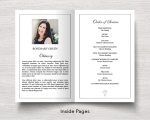
Ask the venue or funeral director where programs should be placed and whether staff can distribute them as guests arrive. If plans change after printing, decide whether a small insert or a spoken announcement is clearer than reprinting; keeping one approved digital file also makes later sharing easier.
Give your chosen contact a concise map of the plan rather than expecting them to search through every file. For example, a folder can contain a one-page contact sheet, while the original legal documents remain with an attorney, in a secure home location, or wherever local rules and your adviser recommend.
Use consistent headings and a restrained color palette, and check that text remains legible when printed in grayscale if guests may receive monochrome copies. A simple design can feel warm rather than sparse, much like a well-arranged table that leaves room for each meaningful object.
As an example, if an initial plan exceeds the family's $7,000 limit by $500, review each optional line with the provider rather than cutting an essential service without discussion. Replacing a costly reception arrangement with a simpler gathering might close the gap, but the family should confirm any venue, staffing, or transport costs created by that change.
The right approach depends on the service, available time, budget, and who will prepare the program. This guide explains how to compare formats, gather information, personalize a template, and avoid common printing problems, with practical steps that fit both immediate arrangements and advance funeral planning. When this becomes a priority, funeral advice can make a real difference to your results.
Peer support groups offer contact with people who have experienced a loss, often in person or online. A group may focus on a particular relationship, such as losing a spouse or parent, or on circumstances such as suicide or sudden death; ask about facilitation, confidentiality, and whether newcomers can attend once before deciding.
Match the venue to the people attending, not just to the theme. Check seating, restroom access, parking or transit, noise limits, weather backup, and whether outside food or photographs are allowed. A familiar place can feel more personal, but a funeral home or community venue may offer practical support with setup and guest flow.
Keep the check-in practical rather than requiring everyone to share feelings. For example, a family could agree that one person handles calls, another organizes meals, and each person can decline an activity without having to justify the choice.
For example, a family expecting 40 guests might reserve a quiet room for a two-hour afternoon gathering, with a brief welcome and a table of photographs. This keeps the event manageable while allowing conversation to continue naturally. If attendance may be much larger, ask the venue about capacity and designate someone to guide arrivals before invitations go out. Options such as funeral advice help keep everything running smoothly here.
How can you compare funeral arrangements without missing hidden charges? Compare itemized estimates line by line, checking quantities, service descriptions, and whether each amount is optional or necessary for the chosen plan. Ask what changes if you supply an item yourself, choose a different venue, or hold a shorter gathering; answers should explain both the revised charge and any related service that would no longer apply.
How do you choose a date, venue, and format? Decide first whether the gathering will be private, open to the wider community, or a combination of both. A smaller family event followed by a public reception can make space for personal grief while allowing friends, colleagues, and neighbors to pay their respects. If guests will travel, allow enough notice and consider whether a livestream or later gathering would help them participate.
Įvertinimas

Hire top freelancers.