

Leonida Ingram @ leonidaingram Narys nuo: 08 Jul 2026

Apie mane
SoftPro Elite HE Water Softener Review What 6 Months Revealed
 />
/>San Antonio's hard water turned my appliances into mineral museums. When Kai S. finally got tired of scraping white buildup off everything and watching soap refuse to lather, the SoftPro Elite HE Water Softener for City Water (Industry's Best Softener & Filter Combo) seemed like the logical next step. But does "industry's best" actually mean anything when your water bill keeps climbing and your dishwasher sounds like it's grinding rocks?
Six months in, and the answer isn't what most reviews will tell you.
The Hard Water Reality That Forced My Hand
Living in San Antonio means dealing with some seriously stubborn water. We're talking 15 grains per gallon of hardness that leaves everything looking like it's been dusted with chalk. My coffee maker died first—completely clogged with mineral deposits after just eight months. Then the dishwasher started leaving spots so thick you could scrape them off with a fingernail.
The real wake-up call came when I calculated what we were spending on bottled water, descaling products, and appliance replacements. Over $200 per month, easily. My skin felt like sandpaper after showers, and my wife's hair looked dull no matter what expensive products she tried.
I tested our water with a TDS meter and got readings consistently above 350 ppm. The calcium and magnesium levels were so high that soap wouldn't even foam properly. Something had to give, and that something was my wallet if I didn't find a real solution.
After watching three appliances fail in two years, I realized the cost of doing nothing was actually higher than investing in a quality water softener. The question wasn't whether to get one—it was which system could actually handle San Antonio's aggressive mineral content long-term.
Research Phase: Why the SoftPro Elite HE Made the Cut
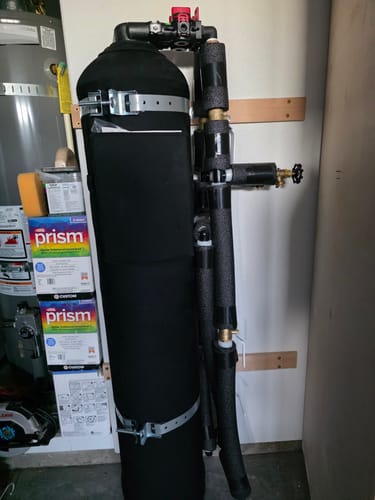 >
>I spent weeks comparing systems, and honestly, most water softeners looked identical on paper. Flow rates, grain capacity, regeneration cycles—they all seemed to promise the same results. But the SoftPro Elite HE stood out for a few specific reasons.
First, the high-efficiency design caught my attention. Traditional softeners waste enormous amounts of water during regeneration—sometimes 50 gallons per cycle. With San Antonio's water restrictions and rising utility costs, that inefficiency would hurt twice: environmentally and financially.
The SoftPro Valve technology was another differentiator. Instead of the mechanical timers most competitors use, this system monitors actual water usage and hardness levels. It only regenerates when necessary, not on a preset schedule that might waste salt and water during light usage periods.
What sealed the deal was the dual-purpose design. This isn't just a softener—it includes filtration for chlorine, sediment, and other city water contaminants. Getting both functions in one unit meant less maintenance complexity and fewer points of failure.
The 48,000 grain capacity matched our household needs perfectly. Four people, two bathrooms, and San Antonio's 15 grain hardness meant we needed serious capacity without oversizing the system and wasting space in our utility room.
Installation Reality Check
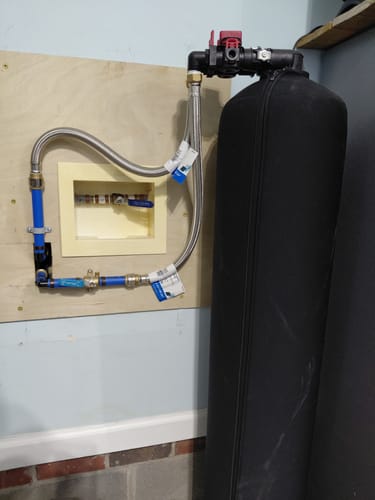
I'll be straight with you—this isn't a weekend DIY project unless you're comfortable with plumbing modifications. The unit weighs about 150 pounds when loaded with resin, and you'll need to install a bypass valve, drain connection, and electrical supply.
I hired a local plumber who'd worked with SoftPro systems before. Total installation time was about three hours, including cutting into the main water line and setting up the bypass system. The unit requires a 110V outlet and access to a drain for the regeneration cycle.
One challenge we encountered was the space requirement. This system is larger than many competitors, measuring roughly 54 inches tall by 13 inches wide. Make sure you have adequate clearance for salt loading and service access before committing.
The initial startup involved programming the SoftPro Valve for our specific water conditions. The installer tested our hardness level again and configured the regeneration settings accordingly. First regeneration happened about a week after installation, and the system has been running on that schedule ever since.
Pro tip: order salt before installation day. The system needs about 200 pounds of salt to reach optimal brine levels, and starting with low salt means suboptimal performance for the first few weeks.
Performance Deep Dive: What Actually Changed
Within 48 hours, the difference was noticeable. Soap actually foamed in the shower—something that hadn't happened in our house for years. My wife noticed her hair felt softer immediately, and my skin stopped feeling tight after bathing.
I tested the soft water output with the same TDS meter and consistently got readings below 50 ppm. That's a 300 ppm reduction from our incoming city water. The calcium and magnesium ions were being exchanged for sodium ions exactly as designed.
Dish spotting disappeared almost entirely. Our dishwasher started working like new, and glasses came out crystal clear instead of cloudy. The coffee maker that had been struggling with slow brew times returned to normal operation within a week.
The filtration component tackled chlorine taste and odor effectively. Our drinking water went from tasting slightly chemical to neutral and clean. Ice cubes became clearer, and coffee flavor improved noticeably.
One unexpected benefit was reduced soap and detergent usage. Soft water means cleaning products work more efficiently. We cut our laundry detergent usage by about 30% and still get better cleaning results. Clothes feel softer and colors stay brighter longer.
The high-efficiency regeneration lived up to its promise. Instead of the 50 gallon cycles I'd read about with conventional systems, this unit uses approximately 18 gallons per regeneration. With regeneration happening every 5-6 days, that's significant water savings.
Salt Efficiency: The Real Cost Story
 >
> This is where the Elite HE truly shines. We're using approximately 40 pounds of salt per month for a family of four—significantly less than the 60-80 pounds typical systems consume. At current salt prices, that's about $8 per month versus $15 for less efficient units.
The demand-initiated regeneration makes the difference. Instead of regenerating every few days regardless of usage, the SoftPro Valve monitors actual consumption and hardness levels. If we're out of town for a weekend, the system doesn't waste salt regenerating unnecessarily.
I track salt usage monthly, and consistency has been impressive. Seasonal variations are minimal because the system adapts to actual usage patterns rather than running on preset timers. Summer months with higher water usage might see 45-50 pounds, while winter drops to 35-40 pounds.
Salt quality matters more than I initially realized. Cheaper salt with high impurities can cause bridging and reduce efficiency. We stick with high-purity salt pellets, and the few extra dollars per bag pay off in consistent performance and less maintenance.
The brine tank design prevents most bridging issues I'd worried about. Good circulation and proper dissolution mean salt usage stays predictable, and I haven't had to break up salt bridges that plague some systems.
Daily Living Impact: Beyond the Technical Specs
Six months in, the lifestyle improvements continue to surprise me. Shower doors stay cleaner longer—what used to require weekly scrubbing now needs attention maybe twice per month. Water spots on faucets and fixtures became a minor issue instead of a constant battle.
Laundry results improved dramatically. Towels feel fluffy instead of stiff, and colors in clothing stay vibrant longer. We eliminated fabric softener entirely because clothes come out naturally softer. The washing machine itself runs quieter and shows no mineral buildup.
My morning coffee routine transformed. The machine heats faster, brews more evenly, and the taste improved enough that we stopped buying expensive bottled water for coffee. Ice from our refrigerator dispenser became clear and tasteless instead of cloudy with mineral flavors.
Cleaning the house takes less time and https://www.trustpilot.com/review/softprowatersystems.com fewer products. Soap scum formation slowed to a crawl, bathroom cleaning became easier, and glass surfaces stay clearer longer. Even our plants seem healthier with the filtered water.
Guests notice the water quality difference immediately. Visitors comment on how clean and refreshing the water tastes and how much better their skin feels after showering. It's become a subtle point of pride in our home.
The most significant change is peace of mind. No more worrying about appliance damage from mineral buildup or calculating replacement costs. Our water heater, dishwasher, and other appliances should last years longer with proper water conditioning.
Maintenance Reality and Long-Term Ownership
id="LOOX-V2_CAROUSEL-photo-reviews"
data-product-ids="7287104831530"
data-slide-type="photo_reviews"
data-show-review-text="true"
data-show-reviewer-name="true"
data-show-rating="true"
data-show-photos="true"
>
Monthly maintenance involves checking salt levels and topping off as needed. The brine tank has clear markings, so monitoring is straightforward. I add 40-80 pounds of salt monthly depending on usage and keep the tank about half full.
Every three months, I inspect the system for salt bridging, check brine levels, and verify the regeneration cycle is completing properly. The SoftPro Valve provides diagnostic information, making troubleshooting straightforward when issues arise.
The resin bed should last 8-10 years with proper maintenance and quality salt. No resin replacement needed yet, but I budget for eventual service costs. The SoftPro Valve is designed for 15 year life spans with minimal maintenance requirements.
One minor issue occurred around month four when the brine tank developed a small salt bridge. Breaking it up took about ten minutes with a long-handled tool. Proper salt quality and tank levels prevent most bridging problems.
Filter cartridge replacement happens annually and costs about $30. The process is tool-free and takes five minutes. I set a calendar reminder and order replacement cartridges in advance to avoid lapses in filtration performance.
Power outages reset the SoftPro Valve clock, requiring time reset and cycle verification. Not a major issue, but worth noting if your area experiences frequent power interruptions. A small UPS could eliminate this minor inconvenience.
Honest Assessment: Where It Falls Short
The upfront cost is substantial—significantly higher than basic timer-based systems. If budget is your primary concern, this isn't the most economical entry point into water softening. The efficiency gains pay off over time, but initial investment requires commitment.
Size and space requirements eliminate this system for many homes. Utility closets, small basements, or cramped mechanical rooms can't accommodate the unit's footprint. Measure twice, order once—this mistake gets expensive quickly.
Installation costs add up if you're not comfortable with plumbing modifications. Professional installation runs $300-500 in most markets, and some homes need additional electrical work or drain access that increases complexity and cost.
The SoftPro Valve, while generally reliable, isn't immune to electronic failures. Mechanical timer systems are simpler and more repairable in rural areas where specialized service might be limited. Consider service availability in your location.
Very hard water (20 grains) might push this system toward more frequent regeneration, reducing efficiency advantages. Extremely challenging water conditions could benefit from larger capacity units or additional pretreatment options.
Salt storage and handling remains a monthly chore. Forty pounds isn't backbreaking, but elderly users or people with mobility issues should consider delivery services or assistance for salt loading and maintenance tasks.
Final Verdict: Worth the Investment for City Water
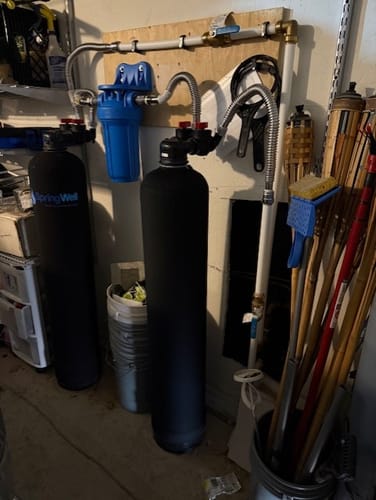 >
>After six months of real-world use, the SoftPro Elite HE delivers on its efficiency promises while providing excellent water quality improvement. The combination of softening and filtration addresses multiple city water issues in one system, justifying the premium price point.
Salt efficiency alone saves $80 annually compared to conventional systems, and the water savings add another $30-40 per year in most markets. Factor in extended appliance life and reduced cleaning product usage, and the total cost of ownership becomes competitive with less sophisticated systems.
For families dealing with moderate to hard city water, this system provides excellent value through superior efficiency and dual functionality. The initial investment pays off through reduced operating costs and improved household water quality across all applications.
I'd buy this system again knowing what I know now. The performance, efficiency, and reliability have exceeded expectations while eliminating the daily frustrations of hard water living. San Antonio's challenging water conditions haven't posed any problems for this system.
Would I recommend it? Absolutely, if you have the space, budget, and water conditions that justify the investment. For city water with moderate hardness and typical contaminants, this system delivers exceptional results with industry-leading efficiency. The peace of mind alone makes it worthwhile.
Įvertinimas

Hire top freelancers.