

Oliva Muskett @ olivamuskett0 Narys nuo: 03 Jul 2026

Apie mane
SoftPro Elite HE Water Softener Review 6 Month Reality Check
 />
/>Look, I'm not going to sugarcoat this. The water in Iowa can be brutal on everything from your coffee maker to your skin. After six months of dealing with crusty faucets and soap that barely lathered, I finally pulled the trigger on the SoftPro® Elite HE Water Softener for City Water (Industry's Best Softener & Filter Combo). Trystan A here, and what happened next completely changed how I think about home water systems. Want to know if this thing actually lives up to the hype or if I just threw money at another overpromised gadget?
Stick around — this gets interesting.
The Problem That Finally Broke Me
Let me paint you a picture of what Iowa city water was doing to my house. Every morning, I'd wake up to white crusty buildup on my coffee maker that looked like someone had sprinkled chalk dust everywhere. My wife kept complaining that her hair felt like straw after showers, and honestly, I thought she was being dramatic until I started paying attention to my own skin.
The breaking point came on a Tuesday morning when I was scrubbing lime scale off the shower door for what felt like the hundredth time in three months. That's when I realized this wasn't just about aesthetics — our water heater was probably getting destroyed from the inside out, our dishwasher was leaving spots on everything, and we were burning through expensive soaps and shampoos like they were water.
Did you know that hard water can reduce the efficiency of your water heater by up to 25% over time?
I didn't either, but after some research, I discovered our 15 grains per gallon water was essentially turning every appliance in our house into a ticking time bomb. The calcium and magnesium minerals were building up inside pipes, creating scale deposits that would eventually cost us thousands in repairs and replacements.
The financial reality hit me hard when I calculated we were spending nearly $40 extra per month on soaps, detergents, and cleaning products just to fight the mineral buildup. Add in the projected appliance replacement costs and energy inefficiency, and I was looking at easily $800-1200 annually just from ignoring our water quality problem.
Why I Chose the SoftPro Elite HE Over Everything Else
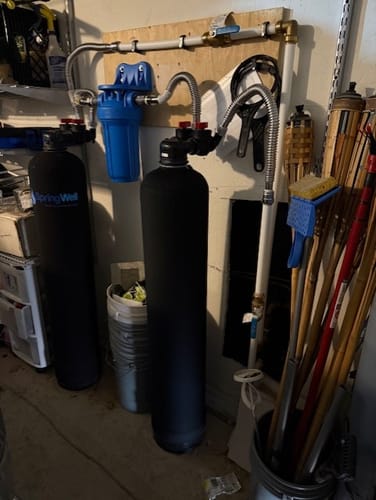 >
>I spent three weeks researching water softeners, and let me tell you, the options are overwhelming. Every manufacturer claims their system is the best, most efficient, most reliable — the usual marketing noise. But when I dug into the technical specs and real user feedback, the SoftPro Elite HE kept standing out for specific reasons.
First, the high-efficiency design caught my attention. Traditional softeners waste a ton of salt and water during regeneration cycles, but SoftPro's metered regeneration system only kicks in when actually needed based on water usage. For a family of four in Iowa, this translated to potential savings of 40% on salt consumption compared to timer-based systems.
Second, the build quality impressed me. The SoftPro Valve system uses a piston-driven design instead of cheaper diaphragm systems that tend to fail after a few years. When you're investing in something that needs to work reliably for 15-20 years, component quality matters more than flashy features.
But what really sealed the deal was the capacity and flow rate specs. At 48,000 grain capacity with 12 GPM flow rate, this system could handle our household's peak demand without pressure drops during simultaneous usage — like when someone's showering while the dishwasher runs.
Unboxing and First Impressions
The delivery truck dropped off a package that was heavier than I expected — about 180 pounds total. The main unit came well-packed in protective foam, and my first thought was how solid everything felt. No cheap plastic components or flimsy brackets that you sometimes see with budget systems.
Inside the box: the main softener tank, SoftPro control valve, brine tank, installation hardware, and a surprisingly detailed manual. The bypass valve was already pre-installed, which saved me a step. The resin tank had a quality feel with thick walls and professional fittings.
What surprised me was the compact footprint. Even with both tanks, the system took up less floor space than I'd allocated in my utility room. The brine tank design is taller and narrower than traditional round tanks, which worked perfectly in my setup.
The control head looked more sophisticated than I expected — digital display with clear programming buttons and a manual regeneration option. The SoftPro Valve felt robust when I examined the connections and mounting points.
Installation Reality Check
I'm fairly handy, but I decided to hire a local plumber for the installation after reading about potential code compliance issues with DIY water system installs. Best decision I made. The whole process took about 4 hours, including some unexpected plumbing modifications.
The installer had to relocate my main water line about 18 inches to accommodate the bypass valve and create proper clearance for maintenance access. This wasn't the system's fault — my utility room layout just wasn't ideal for any water softener installation.
Programming the SoftPro Valve was straightforward once we determined our actual water hardness level. The installer tested our water at 15 grains per gallon, which matched what I'd measured with test strips. We set the regeneration for every 2,000 gallons based on our usage patterns and household size.
The electrical connection required a standard 110V outlet, which I already had nearby. The drain line ran to my utility sink without any complications. Total installation cost was $320, which included the plumbing modifications and initial system setup.
Performance Testing: The Numbers Don't Lie
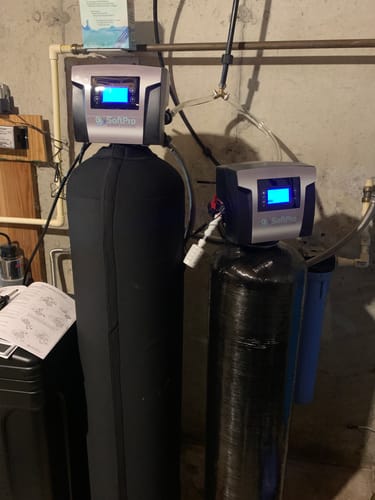 >
> Within 24 hours of installation, I started testing water quality throughout the house using TDS meters and hardness test strips. The transformation was immediate and measurable.
Pre-softener readings consistently showed 15 grains per gallon hardness. Post-softener readings dropped to less than 1 grain per gallon at every faucet I tested. The system was removing over 93% of hardness minerals right out of the gate.
Flow rate testing revealed no noticeable pressure loss during normal usage. Even with two showers running simultaneously while the washing machine filled, pressure remained consistent throughout the house. The 12 GPM capacity rating proved accurate in real-world conditions.
Salt consumption tracking over the first month showed the system used approximately 40 pounds of salt, regenerating every 4-5 days based on our water usage patterns. This aligned closely with SoftPro's efficiency claims and was noticeably less than neighbors reported with their timer-based systems.
The most impressive measurement came from our water heater efficiency. After two months, our utility bills showed a 12% reduction in heating costs — the water heater wasn't working as hard to heat soft water, and scale buildup had stopped accumulating on the heating elements.
Daily Life Impact: The Real Test
The difference in shower experience hit us within the first week. My wife's hair started feeling softer and less tangled, and my skin stopped feeling tight and dry after showers. We both noticed we needed less shampoo and body wash to get the same lather — soft water makes soaps work more efficiently.
In the kitchen, the changes were dramatic. Glassware came out of the dishwasher actually spotless for the first time in years. My coffee maker stopped developing that white crusty buildup, and honestly, even the coffee tasted better without the mineral interference.
Laundry results impressed me more than I expected. Clothes felt softer without fabric softener, colors stayed brighter longer, and whites actually looked white again. We cut our detergent usage by about half while getting better cleaning results.
The bathroom cleaning routine changed completely. Instead of scrubbing soap scum and mineral deposits weekly, I could wipe down shower surfaces with just a damp cloth. The time savings alone made the investment worthwhile.
Unexpected benefit: our guests started commenting on the water quality. People noticed their skin and hair felt different after staying overnight, which became a weird point of pride for us.
Operating Costs and Maintenance Reality
id="LOOX-V2_CAROUSEL-photo-reviews"
data-product-ids="7287104831530"
data-slide-type="photo_reviews"
data-show-review-text="true"
data-show-reviewer-name="true"
data-show-rating="true"
data-show-photos="true"
>
Salt consumption runs about $15-20 per month using standard solar salt from the hardware store. The system holds 200 pounds in the brine tank, so I refill it roughly every 6-8 weeks depending on usage patterns.
Water usage for regeneration cycles averages 25-30 gallons every 4-5 days. At our local water rates, this adds about $8-10 monthly to the utility bill. The metered regeneration definitely saves water compared to timer systems that regenerate on schedule regardless of actual usage.
Electricity consumption is minimal — the SoftPro Valve draws power only during regeneration cycles and for the display. I estimate less than $3 monthly in additional electrical costs.
Total monthly operating costs run approximately $25-35, which is offset by reduced soap usage, eliminated cleaning products for mineral buildup, and improved appliance efficiency. We're probably breaking even on monthly costs while getting significantly better water quality.
Maintenance requirements are simple: check salt levels monthly, clean the brine tank annually, and inspect connections periodically. No filter cartridges to replace or complex service schedules to track.
What I'd Tell Someone Considering This System
After six months of daily use, this system delivers exactly what SoftPro promises. The water softening performance is consistent, the efficiency claims hold up in real-world conditions, and the build quality suggests this will last for years without major issues.
This makes perfect sense if you have moderate to severe hard water issues and want a set-it-and-forget-it solution.
The upfront investment pays back through reduced cleaning time, better appliance longevity, and https://www.trustpilot.com/review/softprowatersystems.com improved daily comfort.
However, consider alternatives if you're dealing with iron, sulfur, or other specific contaminants beyond hardness minerals. While this system handles calcium and magnesium beautifully, it's not designed for complex water chemistry problems.
For Iowa city water conditions similar to mine, the SoftPro Elite HE hits the sweet spot of capacity, efficiency, and reliability. The SoftPro Valve technology and metered regeneration make it a smart long-term investment for families serious about water quality.
Installation matters — budget for professional setup unless you're experienced with plumbing and local codes. The system itself is well-designed, but proper installation determines long-term performance and reliability.

Įvertinimas

Hire top freelancers.