
Wilbert Barr @ wilbertbarr116 Narys nuo: 15 Oct 2026

Apie mane
Understanding the Cremation Process: What Families Need to Know
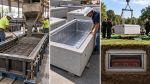
How does cremation work, step by step? The cremation process generally begins with identity checks, authorization, and completion of required paperwork. The provider then prepares the deceased according to applicable rules and facility procedures; a suitable container is used, and the cremation takes place in a dedicated chamber under controlled conditions.Some facilities offer a witnessing option, while others do not, and availability may depend on space, local rules, and scheduling. Ask whether witnessing means observing the placement of the container or another part of the process, how many people can attend, and whether an appointment or additional fee is required.
No. Availability depends on local law, permits, and whether a licensed facility operates nearby. Ask funeral providers directly whether they arrange alkaline hydrolysis, which facility performs it, and whether transportation to that facility changes the cost or timing.
What practical steps help keep plans organized? Use one shared record for provider contacts, written estimates, authorization status, chosen options, and the person responsible for each task. Keep copies of signed documents in a secure place, but avoid sending sensitive identity information through unsecured channels unless the provider confirms a safe method.
There is no single package or fixed price for cremation services: arrangements vary with local rules, transport, facility charges, and the events a family chooses. This guide explains the process, practical questions to ask, and options for keeping or scattering cremation ashes, while recognizing that decisions can be made at a pace that suits those involved.
Once the chamber has cooled, the fragments are collected, inspected for metal items, and mechanically processed into a consistent, granular form. The resulting cremated remains are placed in a container and labeled for return to the authorized person; timing varies with facility workload, paperwork, and local requirements, so ask for an estimated return date.
Check who has legal authority to make the decision and seek guidance from the provider about applicable local rules. A calm discussion focused on documented wishes and practical options can help separate personal preferences from required decisions.
The details vary by location, provider, and the arrangements selected, so no single description replaces a funeral provider's written policies. This guide explains the practical sequence, what happens to bones during cremation, the main factors behind costs, and ways to plan a memorial that feels appropriate to the person remembered. Options such as cremation process explained help keep everything running smoothly here.
Families may choose burial in a cemetery, placement in a columbarium niche, keeping the urn at home where lawful, or another permitted option. Rules for scattering vary by location and by land or water access, so check permissions before making plans. A provider can explain practical handling, but local authorities or the property owner may determine what is allowed.
How much does cremation cost, and what affects the final bill? Understanding cremation costs starts with distinguishing the cremation itself from optional services and merchandise. A direct cremation arrangement may include basic professional services, transportation within a defined area, required paperwork, a simple container, and the crematory fee; a viewing, ceremony, upgraded urn, obituary, or cemetery placement can add separate charges. Inclusions and terms differ, so compare itemized written estimates rather than package names.
Also clarify cancellation rules, payment timing, and who can make decisions if family members disagree. A provider should explain unfamiliar terms in plain language and give you time to review choices; if a cost or procedure is unclear, ask for a specific explanation rather than assuming it is standard.
Families weighing cremation options for families against burial should separate required services from personal choices, such as flowers or a reception. For a clearer discussion of local arrangements, some people consult cremation process explained alongside direct questions to providers, since availability and legal requirements can vary by area.
What questions should you ask before choosing a cremation provider? Ask who will perform the cremation, where it will take place, and whether the quoted provider fee includes the third-party crematory charge. Confirm the process for authorization, identification, handling personal effects, and returning the remains, then request the written terms before signing.
What costs and decisions should families compare? Cremation costs depend on the services included, such as transportation, required paperwork, a viewing, the cremation itself, an urn, and cemetery or memorial arrangements. Request an itemized estimate and compare like with like: a lower quoted total may omit optional services or third-party charges that another provider includes.
Įvertinimas

Hire top freelancers.